 English

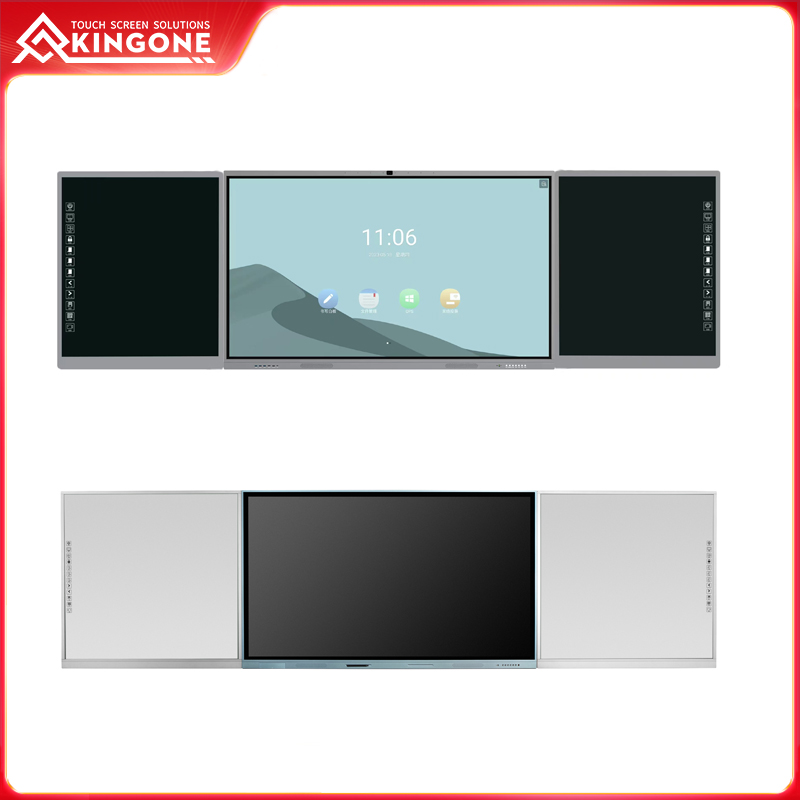
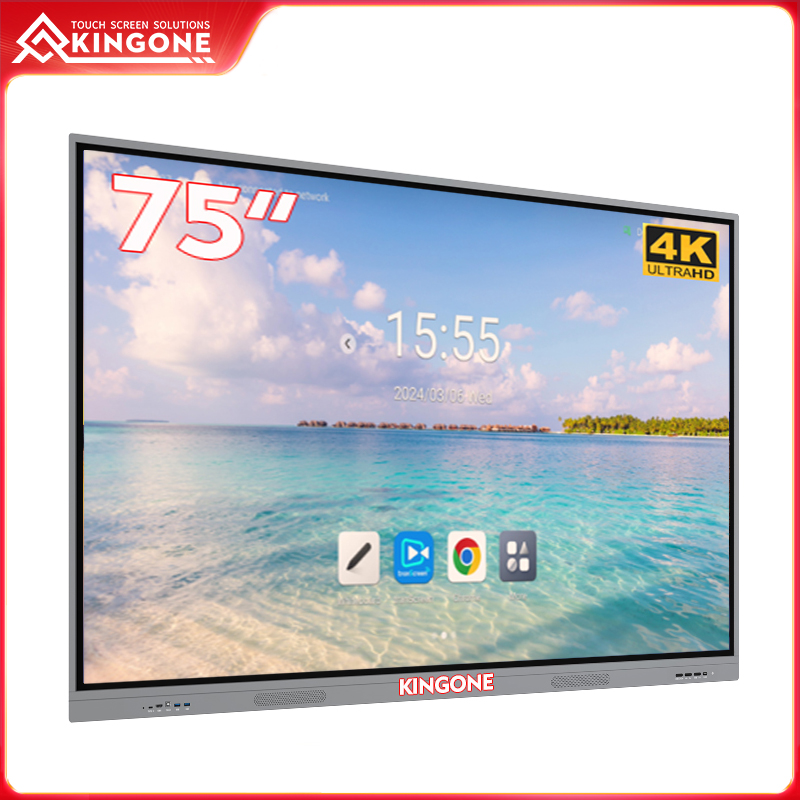
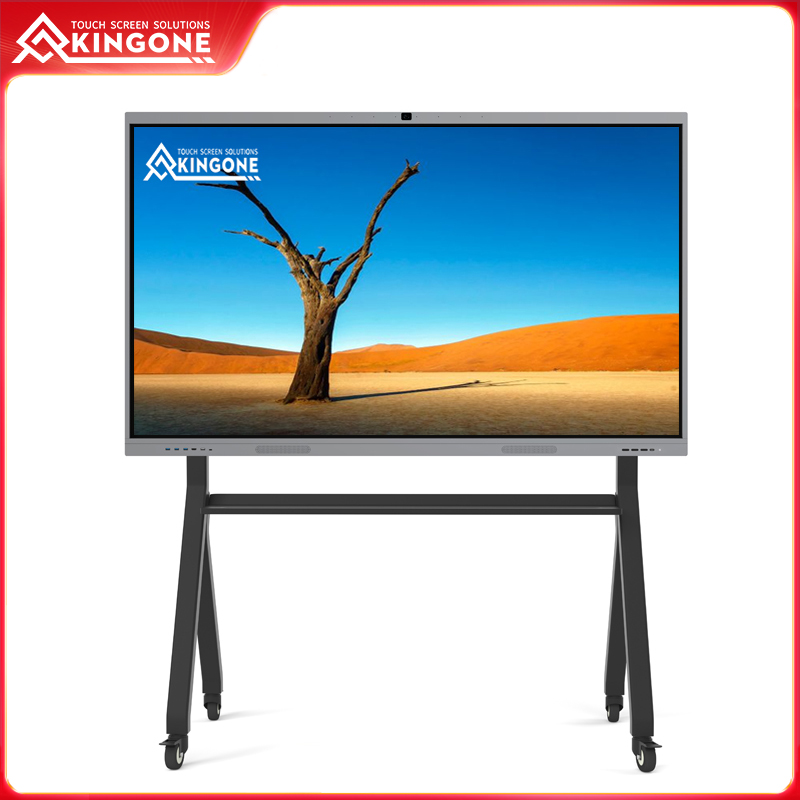
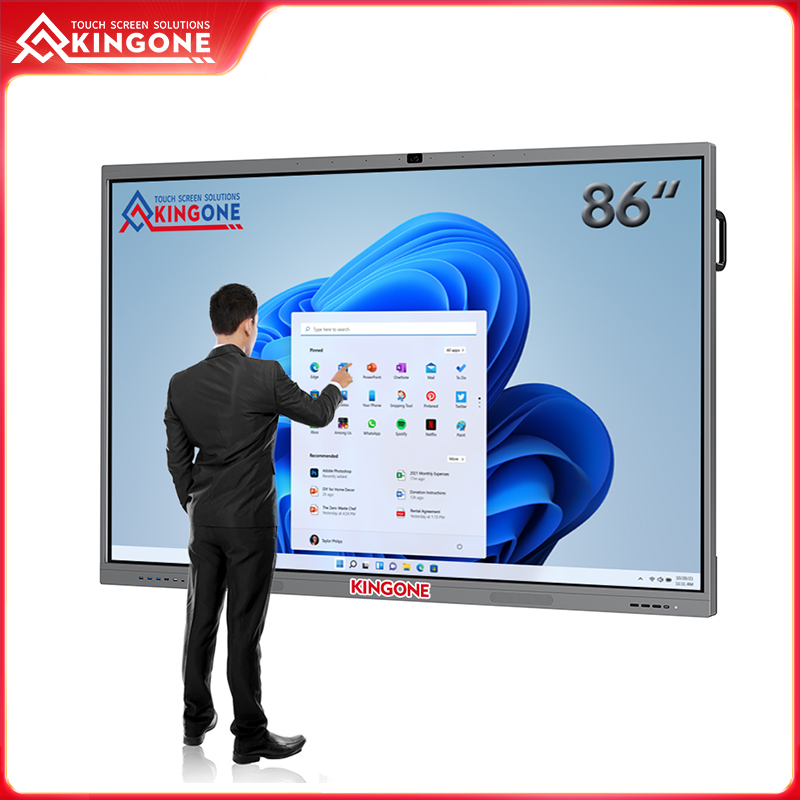
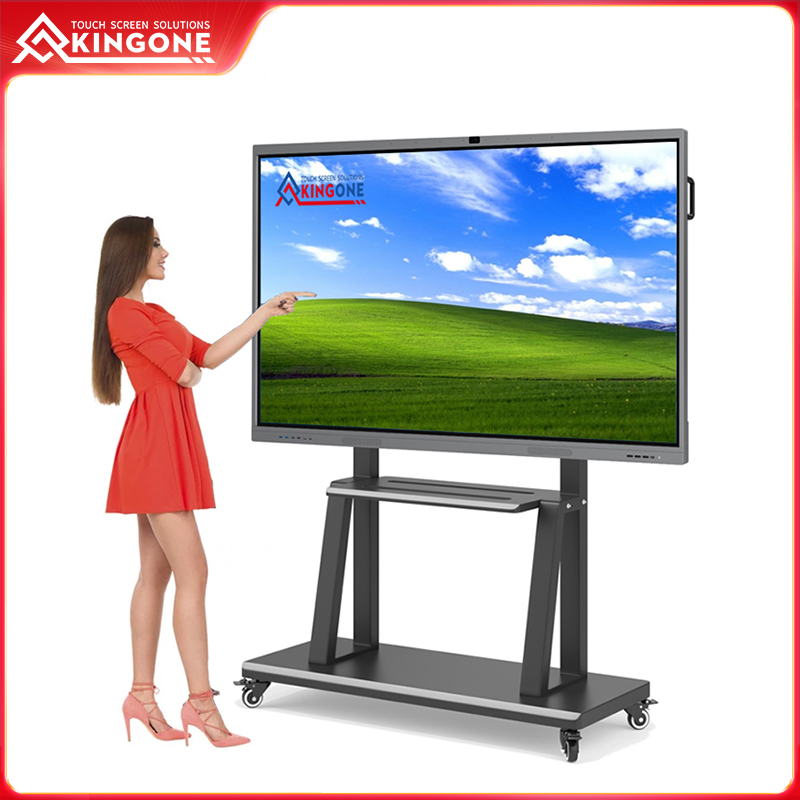
5 Reasons Every Teacher Needs an Interactive Teaching Board Touch Screen
Published:
2026-01-30 18:20:38
5 reasons why every teacher should use an interactive teaching board touch screen. Boost engagement, collaboration, and personalized learning with Kingone’s smart touch screen board for classrooms.
Traditional methods of teaching, although effective, often fail to hold the attention of modern students who are accustomed to the dynamic digital world. This is where the interactive teaching board touch screen comes into play. With advancements in technology, touch screen interactive whiteboards have become a game-changer in the classroom, offering teachers a variety of tools to make lessons more engaging and effective.
But why should every teacher consider incorporating an interactive teaching board into their classroom? In this article, we’ll explore 5 reasons why an interactive whiteboard for teaching, such as Kingone’s smart touch screen board for classrooms, is essential for modern education.
1. Enhanced Student Engagement
Traditional whiteboards and chalkboards may still be in use in many classrooms, but they simply cannot compete with the level of interaction provided by a digital teaching board. One of the primary advantages of an interactive teaching board is its ability to capture students' attention by making learning more interactive.
A touch screen interactive whiteboard allows students to interact directly with the lesson. Teachers can create engaging activities that allow students to drag, drop, write, or draw on the board in real-time. This hands-on approach not only increases participation but also caters to different learning styles—whether students are visual, auditory, or kinesthetic learners. For example, a smart touch screen board for classrooms can be used to draw diagrams, make annotations, or even play interactive games that reinforce the subject matter.
By encouraging active participation, an interactive whiteboard for teaching ensures that students are more likely to stay focused, retain information, and feel connected to the lesson. This shift from passive listening to active learning helps students engage better with the material, leading to improved academic performance.
2. Streamlined Lesson Delivery and Organization
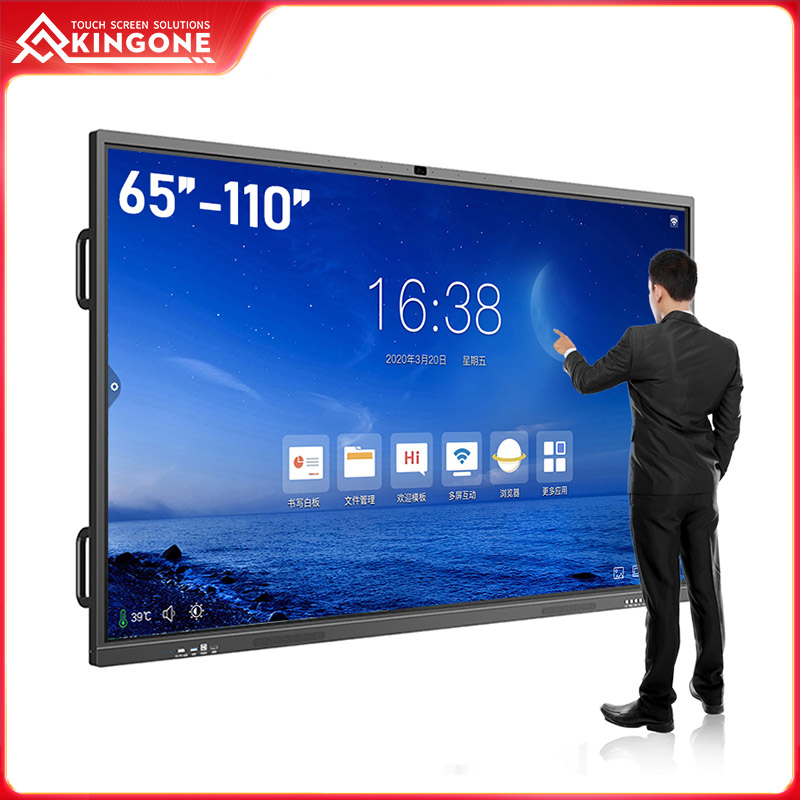
Another reason every teacher should consider an interactive teaching board touch screen is the improvement it brings to lesson organization and delivery. With Kingone’s interactive whiteboard, teachers can easily organize lesson content, multimedia resources, and instructional tools into a single, easily accessible platform.
A digital teaching board can store all lesson materials, notes, and multimedia content in one place. This eliminates the need for disorganized piles of papers or switching between multiple digital devices. Teachers can integrate videos, images, and interactive tools into their lessons without skipping a beat. With a smart touch screen board for classrooms, everything is just a touch away.
Additionally, many interactive whiteboards, like those offered by Kingone, come with cloud integration, allowing teachers to store lesson plans and resources online. This enables teachers to access materials from anywhere and share them with students remotely, creating a seamless teaching experience.
The ability to organize lessons digitally also improves lesson pacing. Teachers can move through content more quickly and effectively, with no interruptions or time lost to manual tasks like writing on the board or organizing physical materials.
3. Improved Collaboration and Communication
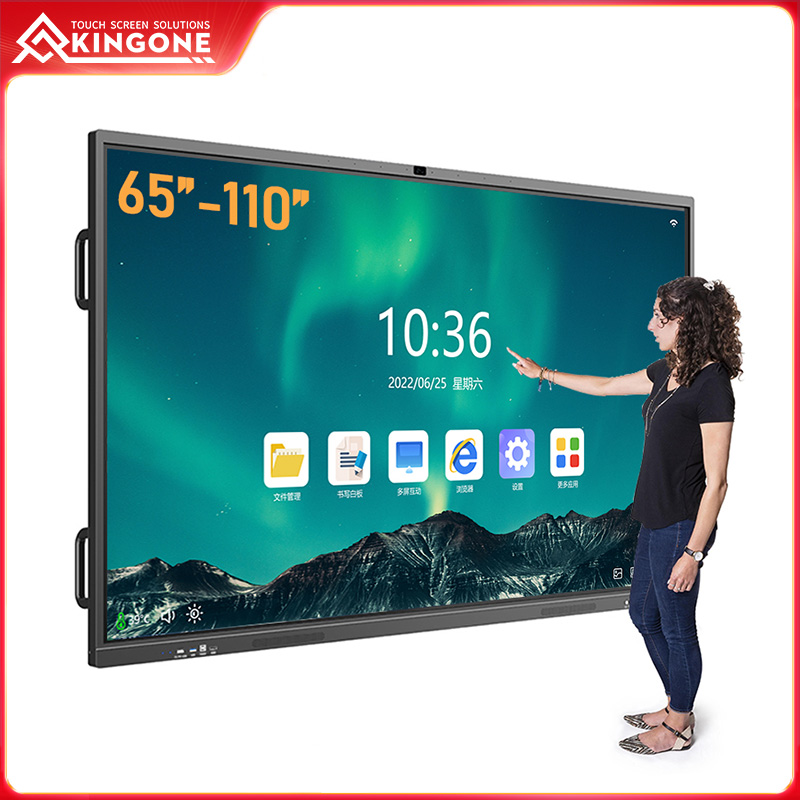
Collaboration is one of the most important skills that students will need in the workforce. Fortunately, an interactive teaching board touch screen fosters collaboration in ways traditional methods cannot. Interactive whiteboards for teaching allow students to actively work together on the board, solving problems or completing tasks as a group.
With a smart touch screen board for classrooms, multiple students can work simultaneously on the same project. For example, students can write, draw, and share ideas in real time on the board, creating a dynamic group learning experience. This collaborative environment helps students develop critical thinking, communication, and teamwork skills, all of which are essential for success in today’s world.
Moreover, Kingone’s interactive teaching boards can be integrated with video conferencing tools for remote collaboration, making it easier for students in different locations to participate in the same lesson or project. Teachers can now conduct virtual group activities and facilitate global collaborations that would have been nearly impossible with traditional teaching methods
4. Personalized Learning and Differentiation
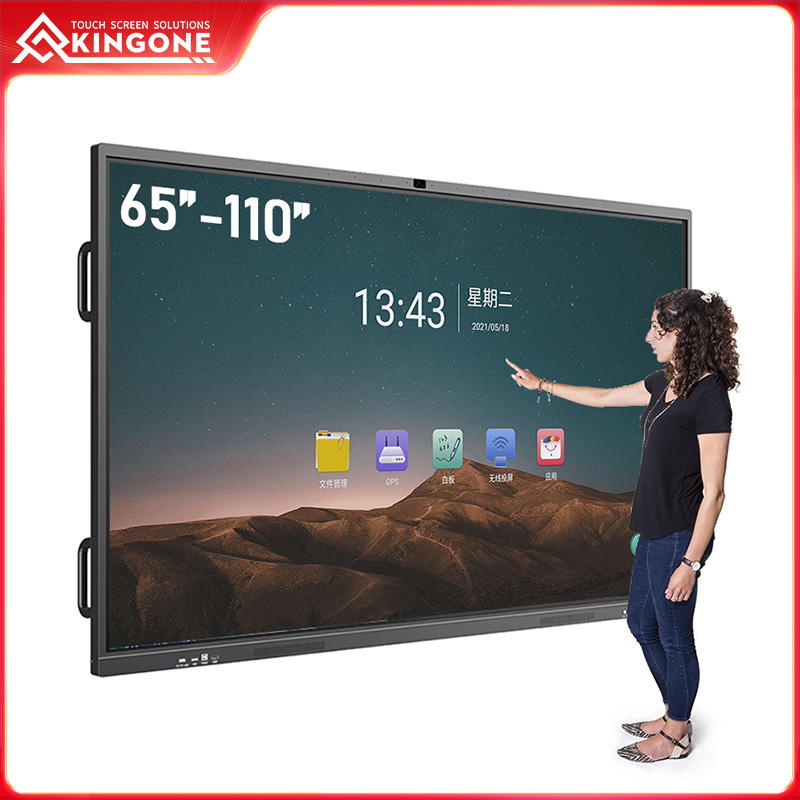
One of the most significant advantages of using an interactive teaching board is its ability to cater to individual student needs. With a touch screen interactive whiteboard, teachers can personalize lessons for different learning levels, allowing each student to progress at their own pace.
For example, a digital teaching board allows teachers to display content that is appropriate for different skill levels. If a student is struggling with a particular concept, the teacher can provide additional explanations or visual aids in real-time, ensuring that every student is able to grasp the lesson.
Similarly, teachers can track student progress using interactive features of the whiteboard. Many smart boards, including Kingone’s touch screen board for classrooms, have built-in tools that allow teachers to monitor student participation, test results, and individual progress. This data can be used to adjust teaching methods and provide tailored support where needed.
Personalized learning ensures that all students receive the support they need, which can be particularly beneficial in classrooms with students who have varying levels of ability and understanding. The flexibility of the interactive teaching board allows teachers to adapt their approach without disrupting the lesson flow
5. Preparing Students for the Digital Future
In today’s digital age, it is essential to prepare students for the technology-driven world they will encounter after graduation. An interactive teaching board touch screen helps students develop essential digital literacy skills. By using the board, students get hands-on experience with digital tools, which will be valuable in both their academic careers and future employment opportunities.
The touch screen interactive whiteboard provides students with exposure to multimedia content, digital problem-solving, and collaborative tools. It helps students become comfortable with technology in a way that aligns with the digital environments they will work in after graduation. Whether students are working on digital projects, collaborating in real-time, or using the whiteboard’s tools for research or design, they are gaining practical skills that will be crucial in the workforce.
Furthermore, teachers can integrate digital citizenship lessons into their curriculum using interactive whiteboards. This ensures that students not only learn how to use technology effectively but also understand the importance of online safety, digital ethics, and responsible internet usage
Summary: The Future of Teaching is Interactive
In conclusion, the interactive teaching board touch screen is a powerful tool that significantly enhances the educational experience for both teachers and students. By incorporating a touch screen interactive whiteboard into the classroom, teachers can foster student engagement, improve lesson delivery, promote collaboration, and personalize learning for every student. The digital teaching board is not just an innovative tool; it’s a comprehensive solution for modern education, preparing students for the challenges of the digital age.
Kingone’s smart touch screen board for classrooms offers all the features teachers need to revolutionize their teaching methods, making it an essential investment for the classroom of the future. As education continues to evolve, embracing technology like the interactive whiteboard for teaching will be the key to creating a more interactive, engaging, and effective learning environment for all students.
Welcome To Know Our Products
Get More Product Service Information
Follow us
We are the original manufacturer in China, we can provide OEM/ODM service, and give you the high quality products..


CONTACT US
Phone:+86 132 5769 7588
Add:Building 4, Zhongju Industrial Park, Wanjiang Street, Dongguan, Guandong, China
E-mail:sales03@kingonevision.com